
The digital marketing business industry will experience its most significant change yet by the year 2026. Businesses need to make adjustments according to the latest developments in artificial intelligence and immersive technologies and privacy regulations and changing consumer habits or they will miss out on future opportunities. Our team at Digigrowwave assists you in understanding market changes while we create effective strategies that produce concrete results in this ever-changing business environment.
This blog will examine the main trends which are currently transforming digital marketing in 2026 from AI-powered automation to the rising importance of short-form content and we will show brands the methods they need to follow to stay ahead.
1. AI-Driven Innovation Takes Centre Stage

Marketing teams now use artificial intelligence to improve their operational processes but 2026 will bring digital campaigns which depend on AI as their fundamental component. The digital marketing industry uses generative AI together with advanced analytics to power all its functions from creating content to improving advertising efficiency.
AI now enables:
Automated content generation tailored to audience behaviour
Predictive analytics for smarter campaign decisions
Personalized user journeys at scale
For companies like Digigrowwave, AI integration creates new options which enhance strategic development and operational efficiency instead of replacing artistic work. Marketers who use AI tools in an ethical manner will achieve better results than their rivals which will lead to increased returns on investment.
2. Search Evolution: Beyond Traditional SEO
AI-powered discovery is currently reshaping SEO which requires new methods of search engine optimization. Traditional methods of determining keyword value have developed into two new ranking systems which include Answer Engine Optimization and Generative Engine Optimization. These new methods enable AI search engines to display results which use natural language processing.
Digital marketing teams need to implement this new approach because they must create content which contains structured information about entities. Digital marketers need to create content which meets user needs through relevant semantic content. Digital marketers need to develop content which shows AI-generated summaries and featured answers.
At Digigrowwave we create optimized content which reaches both search engines and AI systems to boost visibility on every online platform.
3. Short-Form Video and Immersive Content Will Dominate
Video continues its rise as the most engaging format in digital marketing. Short-form content which includes Reels and TikTok videos and YouTube Shorts has become essential for driving audience engagement and increasing conversion rates.
The year 2026 will showcase immersive brand experiences which include:
Interactive video ads
Shoppable reels and snippets
Virtual product try-ons and AR filters
These formats not only capture attention but also shorten the path from discovery to purchase. Digigrowwave develops innovative video strategies which enable brands to connect with social media audiences and boost their engagement results.
4. Privacy-First Marketing and First-Party Data
Data privacy regulations in 2026 require businesses to implement compliance standards which will help them gain a competitive advantage. Brands must use first-party data to create personalized experiences because third-party cookies have reached their end.
The privacy-first marketing movement has introduced three major changes to current marketing practices. The current marketing shifts require organizations to create data collection systems which rely on user permission. Organizations need customer data platforms (CDPs) which enable them to build complete customer profiles. Organizations need to provide clear analysis and reporting systems.
5. Personalization at Scale: The New Standard
In 2026, winning brands focus on:
Predictive analytics for customer preferences
Custom user experiences throughout the buying journey
Hyper-targeted messaging
At Digigrowwave, we design personalization strategies that anticipate customer needs, ensuring every interaction adds value and increases conversion potential.
6. Immersive Technologies: AR/VR for Engagement and Sales
The technology has reached mainstream status because it enhances customer experiences with digital marketing campaigns especially in eCommerce and real estate and experiential marketing.
Examples include:
AR try-before-you-buy product demos
3D interactive brand experiences
Virtual showrooms and tours
The digital marketing industry uses these immersive experiences to both captivate customers and decrease their buying doubts while boosting sales performance.
7. Social Commerce and Shoppable Content Growth
The merger between social media platforms and commercial businesses has established new market trends for online retail. The platforms TikTok Instagram and YouTube enable users to make purchases through their apps by providing direct access to shopping functionalities.
2026 trends include:
Integrated shopping features on social platforms
In-video purchase links
Social-first product discovery
Social commerce has evolved into a business that generates income. Digital marketing companies should utilize social media platforms to create customer acquisition strategies that drive sales to maintain competitive advantage.
8. Authenticity and Human-Centred Branding
Consumers today want genuine products because technology has developed so much. AI produces content but people establish trust when they share personal accounts and companies provide clear information and customers experience authentic brand interaction.
In 2026 brands dedicate their efforts to
Genuine storytelling
Real user-generated content (UGC)
Micro-influencer partnerships
Digigrowwave assists brands in creating authentic campaigns which establish emotional connections while achieving their business goals.
9. Omnichannel Marketing for Unified Customer Journeys
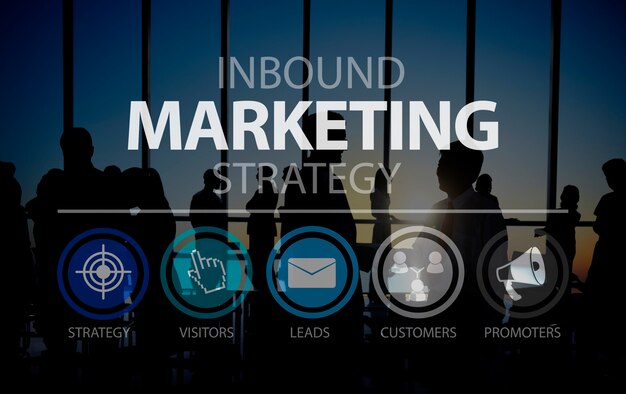
Customers today no longer follow a single path because they interact with brands through multiple channels which include search social media email chat applications and advertisements throughout their customer experience. The omnichannel marketing approach creates a unified experience which maintains brand consistency at all customer interaction points.
An effective omnichannel strategy:
Syncs messaging across platforms
Uses data to inform personalized follow-ups
Tracks customer engagement holistically
Omnichannel marketing has become an essential requirement for digital marketing agencies and businesses because it helps them establish customer loyalty which lasts through time.
10. Micro-Communities and Creator-Led Strategies
2026 is seeing a shift away from broad, impersonal campaigns toward community-centric engagement. The combination of niche audiences and their trusted creators produces substantial engagement which leads to better retention results.
The strategies involve:
Micro-influencer collaborations
Community-centric campaigns
Content access for exclusive brand engagement
The method increases brand loyalty while creating free brand growth which Digigrowwave uses to help our clients build stronger community relationships.
Conclusion: Future-Proofing the Digital Marketing Business

The 2026 digital marketing industry operates through two core principles which include ongoing innovation and flexible adaptation.